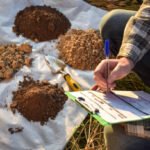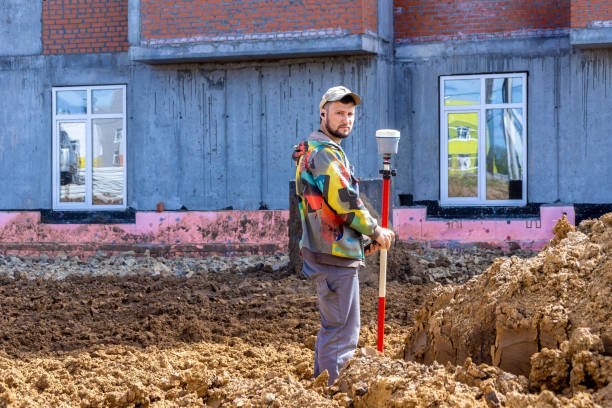
Why are earthworks and foundations the most important phase in construction?
Because everything built above depends on what lies beneath. A solid structure starts with a stable ground base, and that’s where Material Testing for Earthworks and Foundation Material Testing come in.
Through professional Geotechnical Testing, engineers can understand the soil’s strength, moisture, and compaction before construction begins. This process ensures every foundation stands firm for decades. In this guide, we’ll break down the key field and laboratory tests that protect your project’s safety, quality, and long-term performance.
I. Earthwork Testing: Ensuring Compaction and Stability (Field Focus)
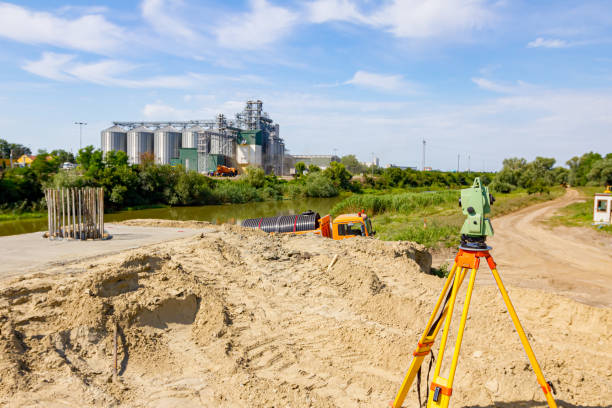
Before building, the soil must be compacted correctly to handle heavy loads. This step, called Earthworks Testing, ensures the ground beneath your structure won’t shift or settle later.
1. The Goal of Earthworks
The main goal is to achieve the right soil density during Subgrade Preparation Testing. Compaction improves load-bearing capacity and reduces settlement risks.
2. Compaction Control Essentials
- Nuclear Density Gauge (NDG): This tool checks Relative Compaction by measuring how tightly the soil particles are packed. It helps determine Optimum Moisture Content (OMC) and Maximum Dry Density (MDD) for stable earth layers.
- Light Weight Deflectometer (LWD): A quick and non-destructive way to confirm soil stiffness and compaction levels.
- California Bearing Ratio (CBR): This test shows how strong the soil is under roadways or pavements, a must for infrastructure projects.
At Ground Technical Solutions Ltd., our technicians perform all earthworks testing with precision equipment to meet construction and compliance standards.
Call us today for accurate and certified compaction and CBR testing services.
II. Foundation Testing: Assessing Load-Bearing Capacity (In-Situ & Deep Focus)
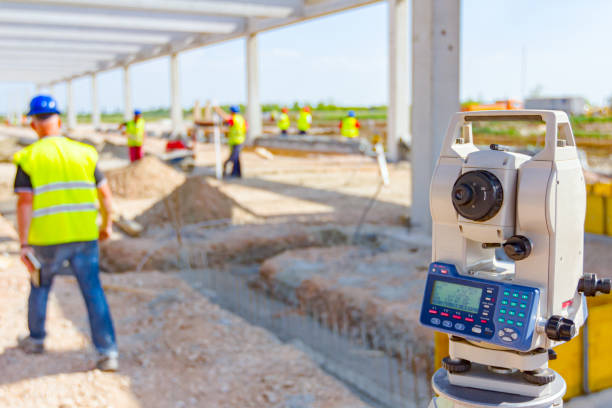
Once the ground surface is ready, it’s time to assess the foundation materials. This helps determine how much load the soil can safely bear.
1. Direct Penetration Methods
- Standard Penetration Test (SPT): Measures the resistance of soil using an “N-value,” which shows how dense or loose the soil is.
- Cone Penetration Test (CPT): A more advanced method that gives continuous data about soil layers, helping engineers predict Soil Settlement accurately.
2. Load Testing
- Plate Load Test: Simulates real foundation loads to evaluate the soil’s Bearing Capacity. It’s essential before laying footings or slabs.
When your foundation depends on trusted results, Ground Technical Solutions Ltd. delivers.
Contact our team for reliable Foundation Material Testing and bearing capacity evaluation across all construction types.
III. Laboratory Analysis: Understanding Soil Engineering Properties
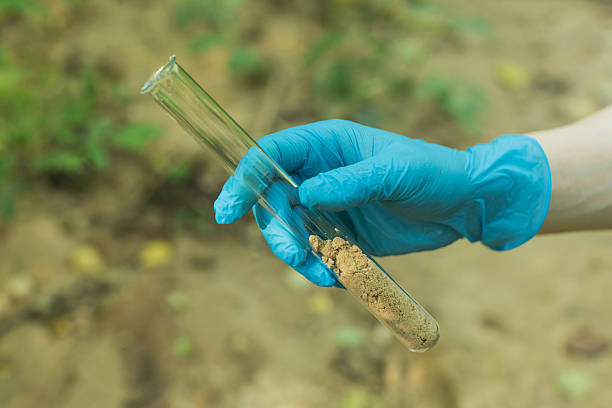
Field testing gives quick insights, but lab testing provides deeper analysis. Soil Testing for Construction in the lab helps determine how soil behaves under stress, moisture, and load changes.
1. Index Properties
- Particle Size Distribution: Shows whether soil is mostly sand, silt, or clay, helping decide the right construction approach.
- Atterberg Limits: Test the soil’s plasticity and consistency, crucial for fine-grained soils like clay.
2. Strength and Volume Change
- Shear Strength Testing (Triaxial Testing): Determines the soil’s ability to resist sliding or collapse, critical for slope and retaining wall design.
- Oedometer Test (Consolidation): Measures how much soil will compress under pressure, predicting long-term settlement.
We perform comprehensive laboratory tests to ensure your soil meets all engineering and safety requirements.
Choose Ground Technical Solutions Ltd. for dependable soil testing and consolidation analysis.
IV. Reporting and Compliance (QA/QC)
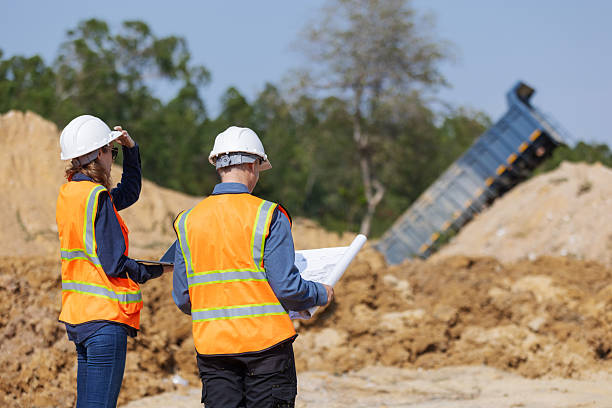
Every result must be documented to maintain construction quality.
The Geotechnical Investigation Report (GIR) connects all testing data from field results to lab analysis and outlines Project Specifications and Earthwork Requirements.
1. Quality Assurance (QA/QC)
Strong QA/QC ensures every compaction test, foundation inspection, and material report meets industry standards. This protects your project from costly rework or structural failures.
At Ground Technical Solutions Ltd., we strictly follow Quality Assurance (QA/QC) protocols, ensuring all testing complies with UK construction standards and client specifications.
V. Partnering for a Safe Start
Proper Material Testing for Earthworks and Foundations is more than just a box to tick; it’s your first defense against structural problems, project delays, and safety risks.
When you understand your soil, you build stronger, safer, and longer-lasting foundations.
Ground Technical Solutions Ltd. is your trusted partner for Geotechnical Testing, Soil Analysis, and Foundation Material Testing across the UK.
Get in touch today to schedule your on-site testing or lab analysis because your project deserves a solid start.
FAQs
1. What is “material testing for earthworks,” and why is it needed?
Material testing for earthworks refers to the set of tests performed on soil, fill, and subgrade materials during the earthworks phase. It helps ensure that the ground has been prepared to the correct density, stability and moisture content so that the structure above will be safe and durable. For example, by using a nuclear density gauge to check compaction, engineers confirm the soil under a footing has reached its target density, avoiding future settlement and structural problems.
2. What tests are included in “foundation material testing,” and how do they help?
Foundation material testing involves methods such as the Standard Penetration Test (SPT), Cone Penetration Test (CPT), and the Plate Load Test. These tests help determine how much load the soil can bear (bearing capacity), how much it will settle (soil settlement prediction), and how stable it is before you build your foundation. For example, a CPT gives continuous data on soil strength and stratification, which helps in selecting the correct foundation type.
3. When should I carry out laboratory soil testing and why is it important?
Lab soil testing should be done after field sampling during the investigation phase, and often both before and during construction. Tests like the Atterberg Limits Test (soil plasticity), the Triaxial Test (shear strength), and the Oedometer Test (Consolidation) (volume change/settlement) are crucial to predict how soil will behave under load and over time. For example, knowing how much a clay soil will compress under load helps avoid future foundation damage.
4. How does quality assurance (QA/QC) tie into material testing for earthworks and foundations?
QA/QC ensures that all the testing (both field and lab) is done properly, complies with the project specifications, and is documented in a report (such as a Geotechnical Investigation Report). This helps validate that the ground preparation and foundation design meet the required standards. Without QA/QC, you risk structural issues, non-compliance, and costly rework.
5. How quickly can I get results from testing and how do I use them?
The turnaround for testing depends on the type of test. Field tests (such as compaction checks or SPT/CPT) can often be reported quickly (same day or next day), while laboratory tests (e.g., triaxial, oedometer) may take days to weeks, depending on complexity. Once you have the results, you use them to design your earthworks and foundations correctly, selecting the correct fill material, determining compaction methods, choosing the foundation type, and controlling settlement. The earlier you involve a qualified company like Ground Technical Solutions Ltd., the earlier you can act on the data.